


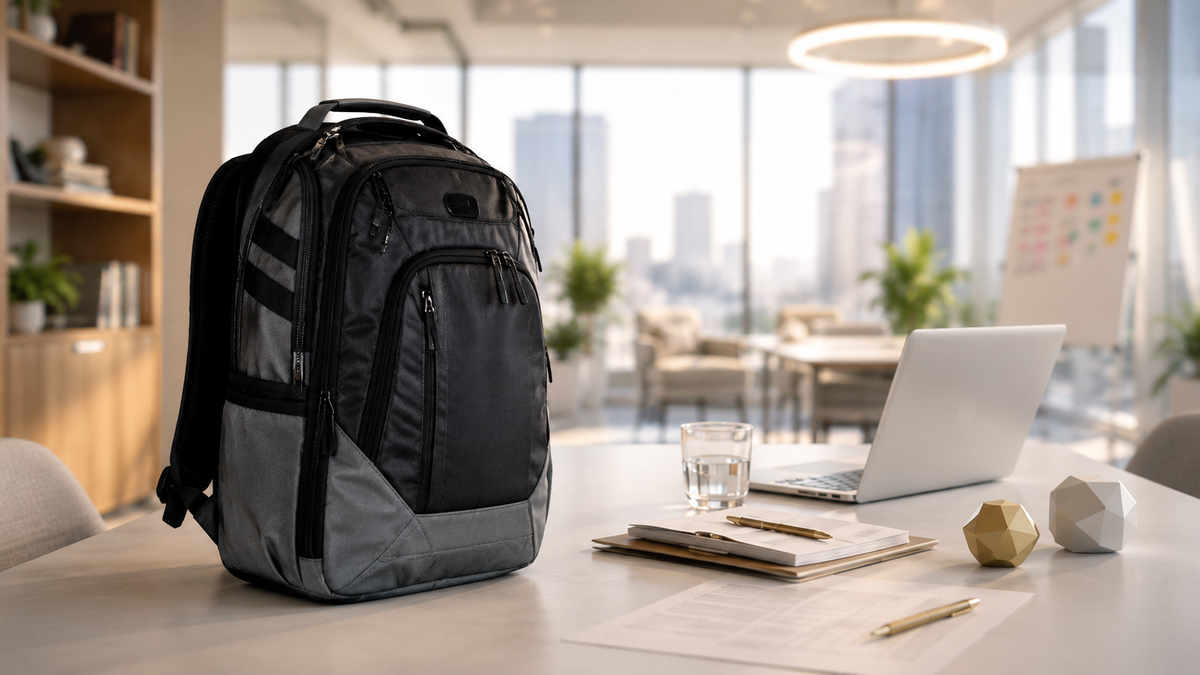
How Long Should a Backpack Last? The Real Cost of Cheap Bags in India

At some point, most people who buy a lot of bags stop buying a lot of bags. They buy one good one. This guide explains exactly why, using numbers rather than brand promises.
The Number Nobody Looks at When Buying
When you're buying a bag, the number you look at is the price tag. The number that actually matters is cost per use.
A bag that costs ₹4,500 and lasts 14 months of daily carry costs ₹10.71 per day. A bag that costs ₹15,990 and lasts 5 years costs ₹8.76 per day. The expensive bag is the cheaper one.
That's before accounting for the time lost replacing a failed bag, the risk of a failure during a business trip, or the laptop that a collapsing sleeve doesn't protect when the zipper gives out mid-transit.
How Long Should a Good Backpack Actually Last?
This depends entirely on the material and the intensity of use. Here's an honest breakdown:
|
Material |
Expected Lifespan (Daily Use) |
Most Common Failure Mode |
|
300D Polyester (entry-level) |
6–12 months |
Seam separation, zipper failure within first year |
|
600D Polyester (mid-range) |
18–30 months |
Fabric thinning, handle tear at attachment point |
|
Vegan leather + nylon |
24–36 months |
PU coating cracking and peeling under Indian heat and UV |
|
900D Coated Polyester |
3–5 years |
Minimal if YKK zippers used throughout |
|
1680D Ballistic Polyester |
5–10 years |
Rare — localised wear at highest-friction contact points only |
A ₹10,000 to ₹16,000 bag built with 1680D fabric and YKK zippers should last 5 to 10 years. Most people who buy at this level replace them for a style reason, not because the bag failed.
Where Bags Actually Fail (And Why)

1. Zippers
The most common failure point on every type of bag. Generic zippers begin to separate or jam within 1 to 2 years of daily use. YKK zippers, used across OGIO's professional range, are rated to 10,000-plus open-close cycles. That's 10 cycles a day for nearly 3 years before reaching the rated limit. A bag with YKK zippers has solved its most likely failure point before it begins.
2. Strap Attachment Points
The buckles and stitching where straps meet the bag body experience the full load every time you lift or wear it. Reinforced stitching at these points is non-negotiable. Bags that fail here almost always do so at the attachment seam, not in the strap itself. OGIO reinforces the webbing junction at the attachment point, not just at the outer stitch.
3. Base Wear
The base contacts surfaces every time you set the bag down. A reinforced, tear-resistant base extends a bag's life by months to years. Bags without it develop thin, abrasion-worn patches at the base within 12 to 18 months of daily use.
4. Laptop Compartment Collapse
When a laptop sleeve's padding compresses over time, the laptop begins contacting the bag's frame and base directly. This is not noticed until either the laptop cracks or the bag tears at that contact point. A raised or suspended sleeve that doesn't rest on the base prevents this entirely.
The Real Maths: Three Bags Over 5 Years

|
Scenario |
Purchase |
Replacements |
Total Spend |
Cost Per Day |
|
Budget cycle |
₹2,500 bag every 10 months |
6 over 5 years |
₹15,000 |
₹10.00/day |
|
Mid-premium + 1 replacement |
₹7,500 bag, replaced at 2.5 yrs |
1 replacement |
₹15,000 |
₹10.00/day |
|
Single OGIO purchase |
₹15,990 Pace Pro 25L — 5 years |
0 |
₹15,990 |
₹8.76/day |
The premium bag costs less per use, eliminates 5 to 6 replacement disruptions, and carries a laptop worth ₹60,000-plus with a suspended sleeve the cheaper options don't have.
What to Look for When Buying for Longevity
-
Fabric denier: look for 900D or above. 1680D is military grade. Below 600D is not a daily professional bag.
-
Zipper brand: YKK is the standard. If the product page doesn't name the zipper brand, it's almost certainly generic.
-
Base construction: a separate reinforced base panel, not just outer fabric folded under, is the mark of a bag built for daily use.
-
Strap reinforcement: pull on the strap attachment point in store. If it flexes at the seam, the bag will fail there first.
-
Laptop compartment suspension: a raised sleeve that doesn't touch the base protects a ₹60,000 laptop. A flat sleeve resting on the base does not.
The Sustainability Argument for Buying Once
A 1680D ballistic polyester backpack produced once and used for 7 years has a significantly lower manufacturing carbon footprint than three 600D polyester bags produced and discarded over the same period. The environmental cost of a bag is not just its materials but its full production cycle: shipping, packaging, and manufacturing energy. Buying once is the most sustainable option available, regardless of whether the single purchase is from recycled materials.
OGIO's Engineering Approach to Durability
The reason OGIO bags outlast alternatives is not one decision. It's a combination made at every point in the design:

-
1680D ballistic polyester on Renegade range, 900D on Pace Pro: both significantly outperform the 300D to 600D fabrics used by most mid-range competitors
-
YKK zippers throughout: eliminates the most common bag failure point before it becomes a problem
-
Reinforced base panel: a separate structural base on the Renegade and Pace Pro ranges doesn't thin out under repeated surface contact
-
Strap reinforcement at webbing junction: bonded and stitched at the attachment point, not just at the outer face — where the load actually concentrates
-
Structural laptop compartment: the raised sleeve on the Pace Pro and the RSS floating sleeve on the Renegade protect both the laptop and the compartment from inside-out pressure that collapses thinner sleeves over time
Shop OGIO's Most Durable Backpacks
Prices as of August 2026. Lifespan estimates based on material engineering standards and published user review data. All OGIO bags are backed by 1-year warranty.
Read more
The Ladakh Road Trip Bag Guide 2026: What to Pack and Which Bag Survives the Altitude
Ladakh is the most unforgiving trip you can do in India on a motorcycle. The roads between Leh and Manali include passes above 5,000 metres, gravel stretches where tarmac stops entirely, river cr...
Read more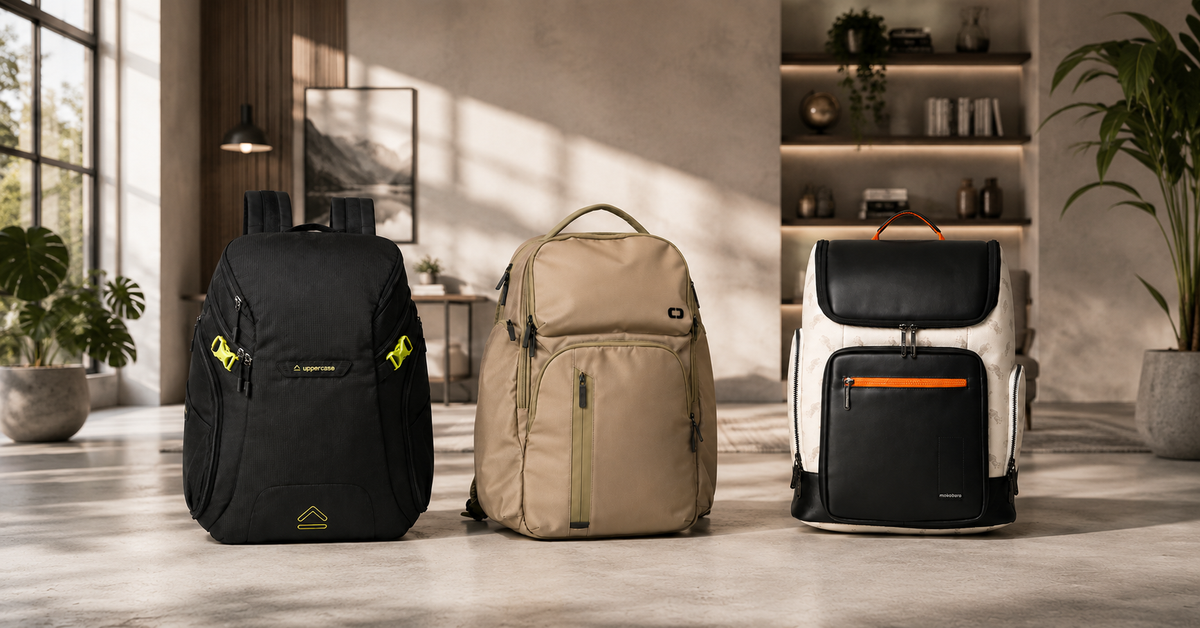
OGIO vs Mokobara vs Uppercase: Which Premium Bag Brand Actually Wins for Indian Professionals?
Three brands. Three very different approaches to what a premium bag should be. If you're spending between ₹8,000 and ₹18,000 on a backpack in India in 2026, you've almost certainly compared at lea...
Read more